Fences Built to Stand in High Wind
Custom fence installation in Lubbock for residential homes, acreage, shops, and rural properties.
When you install a fence in Lubbock, you are building against wind that can flex posts, tear fasteners, and collapse sections that were not properly braced or anchored. A fence that looks straight during installation may lean or sag within months if the posts were not set deep enough, if the rail spacing allows too much flex, or if the material choice does not account for sustained pressure. You need a fence that holds its line, keeps animals contained or separated, and does not require constant re-tensioning or post straightening.
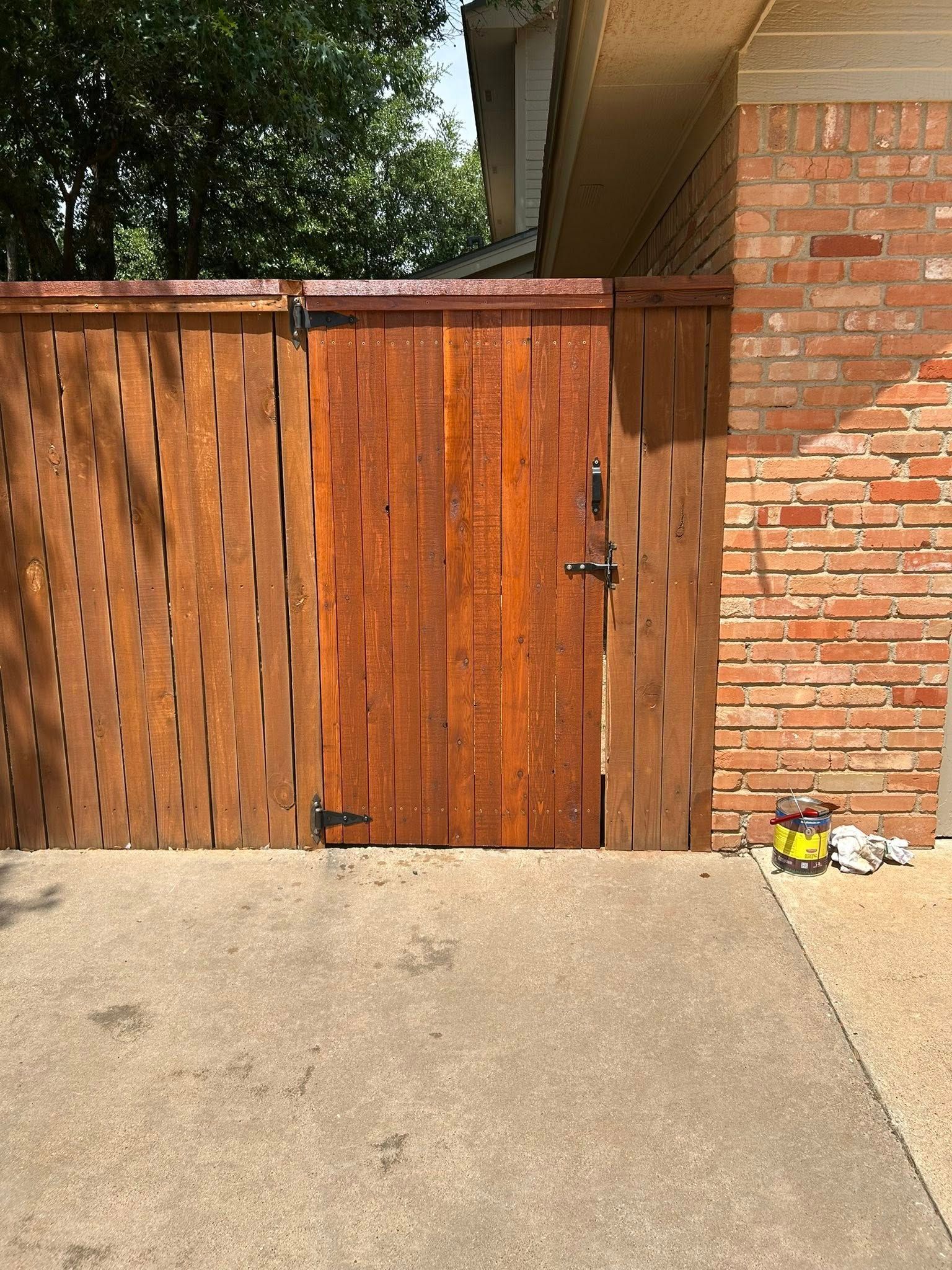
Lazy D Construction LLC installs pipe fences, sheet metal fences, wood fences, chain link fences, and other custom layouts designed to match your property's function and exposure. Each installation includes proper post setting with depth and concrete appropriate to soil type and wind load, rail spacing calculated to resist deflection, and material selection based on how the fence will be used. Pipe fences are common for livestock and acreage properties where strength and visibility matter, sheet metal fences work well for privacy and wind resistance, wood fences are chosen for residential yards and defined boundaries, and chain link is used for security and pet containment where visibility is preferred.
If you are planning a fence installation in Lubbock and want to discuss layout, material options, and how the fence will perform on your property, contact Lazy D Construction LLC to schedule a consultation and receive a detailed estimate.
What Happens From Layout to Final Inspection
Fence installation starts with walking the property to mark corner locations, identify terrain changes, and confirm where gates will be placed. Post holes are dug to depths that account for soil type and wind exposure, typically 24 to 36 inches for residential fences and deeper for taller or heavier sections. In Lubbock, sandy or loose soils may require additional concrete or deeper setting to prevent posts from shifting. Rails or mesh are attached after posts have cured, with fasteners placed to allow slight movement without tearing or bending under pressure.
After installation, your fence will stand straight without leaning or bowing, gates will open and close without dragging or binding, and the structure will resist wind without flexing excessively at the rails. You will also notice that corners and end posts do not twist or pull out of alignment, and the fence line follows your property boundaries without gaps or misalignment. If livestock or pets are involved, the spacing and height will keep animals contained without allowing them to push through or climb over.
Fencing is commonly installed to define property boundaries, contain livestock, create privacy around yards or pools, secure equipment storage areas, and separate different uses within larger properties. Installation timelines depend on total footage, terrain, and whether gates or custom components are included. The service includes post setting, rail or panel attachment, gate installation if ordered, and cleanup of excavated soil and scrap materials. It does not include land clearing, grading, or removal of existing fences unless arranged in advance.
Homeowners and landowners in Lubbock often ask about material durability, post spacing, and how long installation takes for different fence types. Here are answers to the most common fencing questions before work begins.
Answers to Questions Before Fencing Starts
If you need a fence installed in Lubbock that will hold its alignment, resist wind pressure, and match your property's intended use, Lazy D Construction LLC can design and build it with the right materials and post depth for long-term performance. Get in touch to plan your fencing project and receive a detailed estimate based on layout and material selection.