Strong Welds That Hold Under Load
Structural and repair welding services in Lubbock for residential and job-site applications.
When a weld cracks on a gate hinge, a fence post breaks at ground level, or you need steel framing joined for a new patio structure, the quality of the weld determines how long the repair or assembly will last. In Lubbock, where wind can stress joints and temperature swings cause metal to expand and contract, welds need full penetration and proper bead placement to avoid separation over time. You might need welding to reattach a broken component, reinforce a rusted connection, or assemble new steel structures that require permanent joints.
Lazy D Construction LLC provides structural welding and repair welding for metal components used in fencing, gates, patios, shop structures, and property repairs. The work focuses on weld strength, joint preparation, and techniques suited to the type of steel and load conditions. Most residential welding involves joining tubing, angle iron, or flat bar using MIG or stick welding processes selected based on material thickness and whether the weld will be exposed to weather. Joints are cleaned before welding, positioned to allow full access, and inspected after cooling to confirm penetration and eliminate weak points.
If you need welding work completed in Lubbock for a repair or new construction project, contact Lazy D Construction LLC to schedule service or request an estimate based on the scope of work.
What Happens During a Welding Job
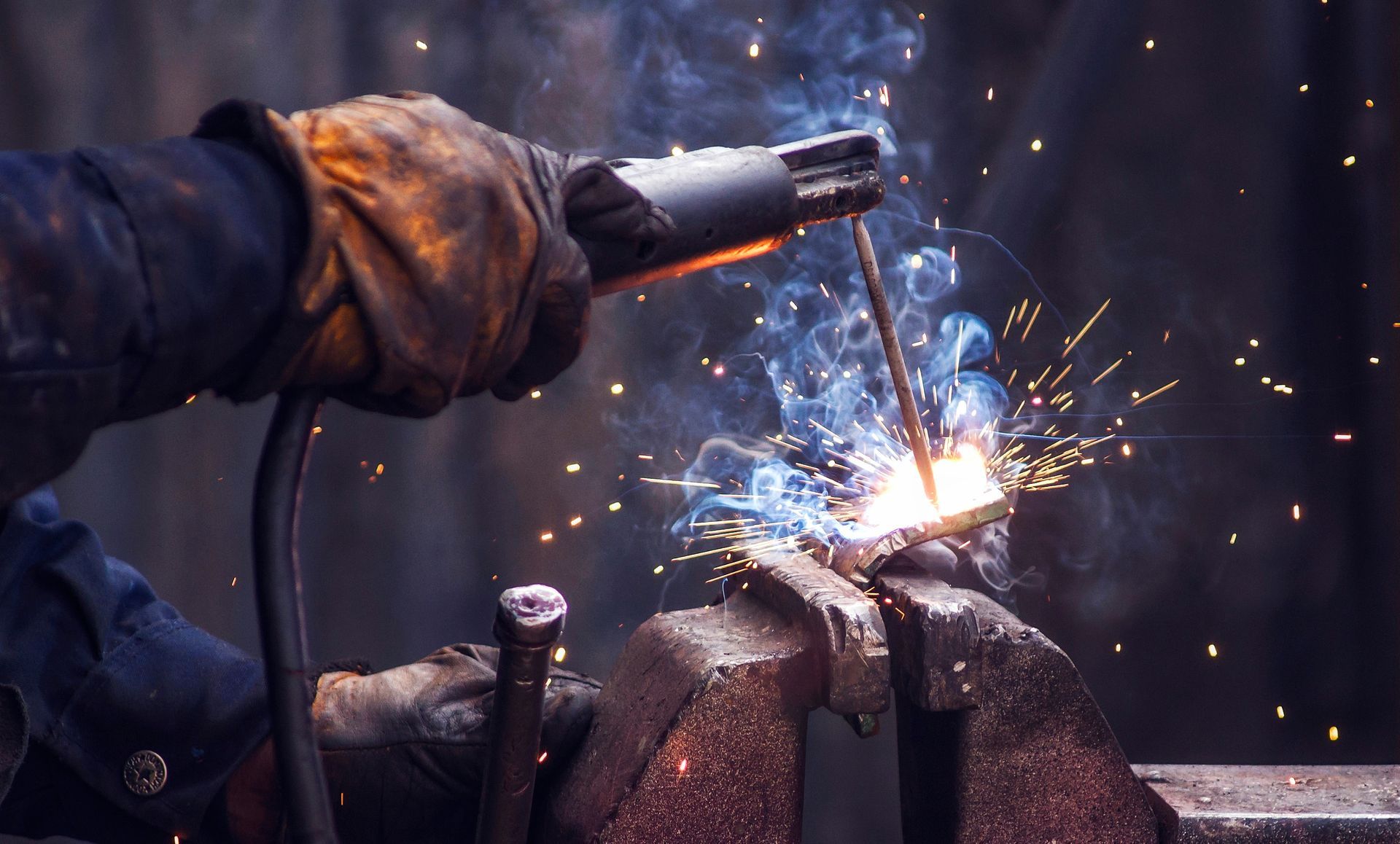
Welding begins with cleaning the surfaces to be joined, removing rust, paint, or mill scale that would weaken the bond. In Lubbock, outdoor welding often requires working around wind and dust, so joints are positioned to protect the weld pool and minimize contamination. The welder selects rod type or wire feed settings based on material thickness, then applies heat to melt the base metal and filler material into a single joint. Tack welds hold alignment before final passes are made, and cooling happens gradually to avoid cracking from thermal shock.
After the weld cools, you will see a solid bead with no gaps or pinholes, and the joint will not flex or separate when pressure is applied. If the weld was part of a repair, the component will return to its original strength or exceed it depending on how the joint was reinforced. If the weld was structural, the assembly will hold its shape under load without movement at the connection points.
Welding is commonly requested for gate hinges that have torn away from posts, fence rails that have separated at corner joints, patio frames that need cross-bracing added, and trailer tongues or hitches that have cracked under towing stress. Repair welding can also be used to rebuild worn edges on equipment or reattach brackets that have broken loose. This service does not include metal cutting or fabrication unless it is necessary to prepare the joint, and it does not include painting or coating after welding. The focus is on creating a strong, lasting joint that restores function or completes new construction.
Homeowners and contractors often want to know what types of metal can be welded, how long repairs take, and whether a weld will hold up as well as the original material. Here are answers to the most common welding questions in Lubbock.
What People Ask About Welding Work
If you have a broken gate, cracked fence post, or steel structure in Lubbock that needs welding, Lazy D Construction LLC can restore strength and function using proven techniques and quality materials. Reach out to schedule welding services or discuss your repair needs.